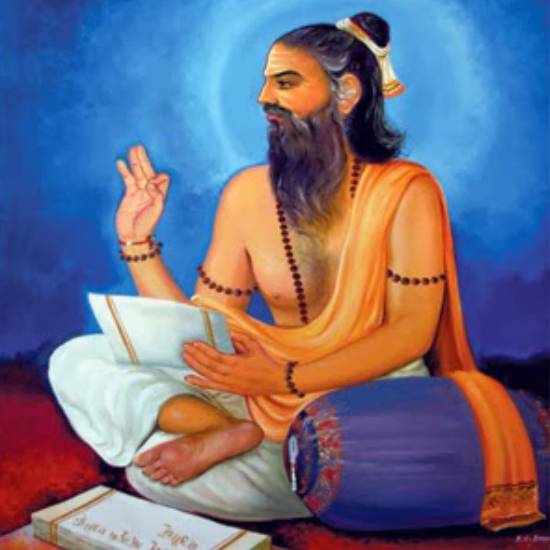
Panini – an ancient India linguist scientist and scholar lived in land of Five rivers now known as Punjab – and FYI most of Punjab started from Hindu Kush mountains and extended to Gandhara and Persian borders. Life became horrible for natives of the higher lands when Tajikis, Arabs, Turks, Turkmongols and Persians invaded it after the pseudo-religious movement started in Mecca by poor and starving arabs and we lost that land which is now called Afghanistan.
This part of India was called Sheersh Bharat or Head of India once and the entire range of mountains from Hindu Kush, Swat to Kashmir was seat of learning, teaching and enormous body of knowledge. One of the largest world university was established in Takshila [now Taxila in pakistan] where all disciplines were studies, specially medicine, Linguistics, Sciences and Mathematics.
Panini’s and other great scholars works were lost when Muslims burned all libraries and thousands of colleges and schools and our ancestors had to gradually retreat and leave their places of living. This encroachment still goes on and soon India will be gone forever as we are foolishly falling into traps and traps of horrible selfish idiotic imprudent politicians. We must wake up, learn of our history and take back our country back to heights of higher knowledge and remove the dark religions, dark forces and violent communities.
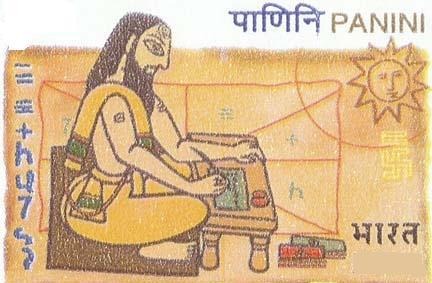
The Sanskrit term for grammar is vyakarana, which etymologically means “differentiated analysis.”
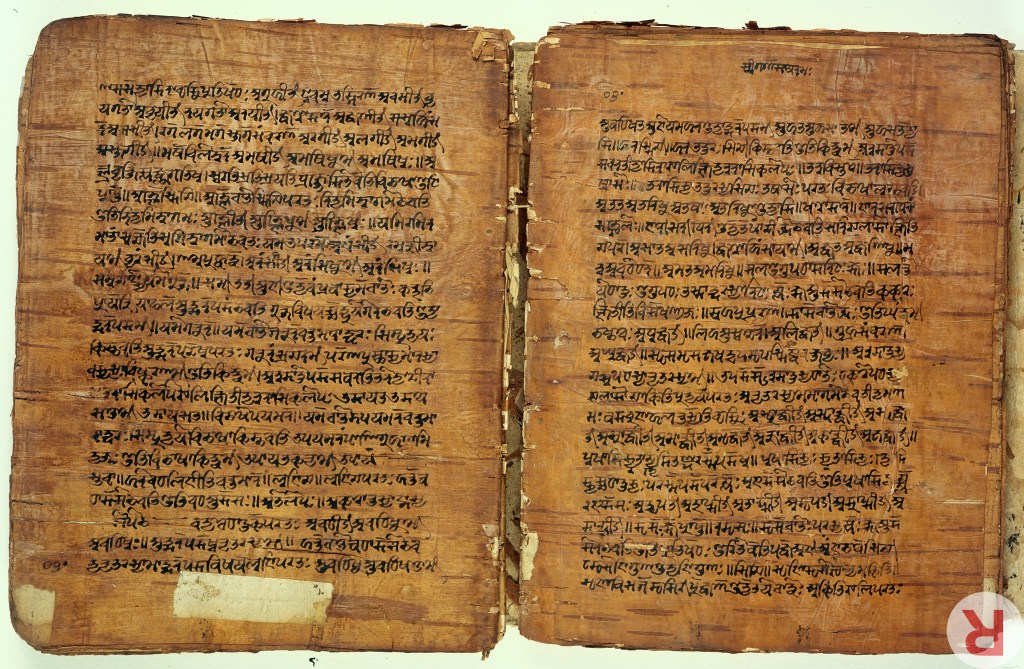
Panini, the legendary Sanskrit grammarian of 5th century BC, is the world’s first computational grammarian! Panini’s work, Ashtadhyayi (the Eight-Chaptered book), is considered to be the most comprehensive scientific grammar ever written for any language.
“The Panini grammar reflects the wondrous capacity of the human brain, which till today no other country has been able to produce except India.”
Panini’s Sanskrit grammar, produced in about 1300 B. C. E. is the shortest and the fullest grammar in the world. Panini composed a Sanskrit grammar called the Ashtadhyayi. In 4,000 short verses, it revealed the inner mechanics of Sanskrit – how the language worked and how new words evolved.
Sir Monier-Williams (1819-1899) Orientalist, professor of Sanskrit at Oxford in 1860. He made a lengthy and learned introduction to his monumental work: Sanskrit-English Dictionary. He wrote:
“The Panini grammar reflects the wondrous capacity of the human brain, which till today no other country has been able to produce except India.”
“By Sanskrit is meant the learned language of India – the language of its cultured inhabitants, the language of its religion, its literature and science – not by any means a dead language, but one still spoken and written by educated men by all parts of the country, from Kashmir to Cape Comorin, from Bombay to Calcutta and Madras.
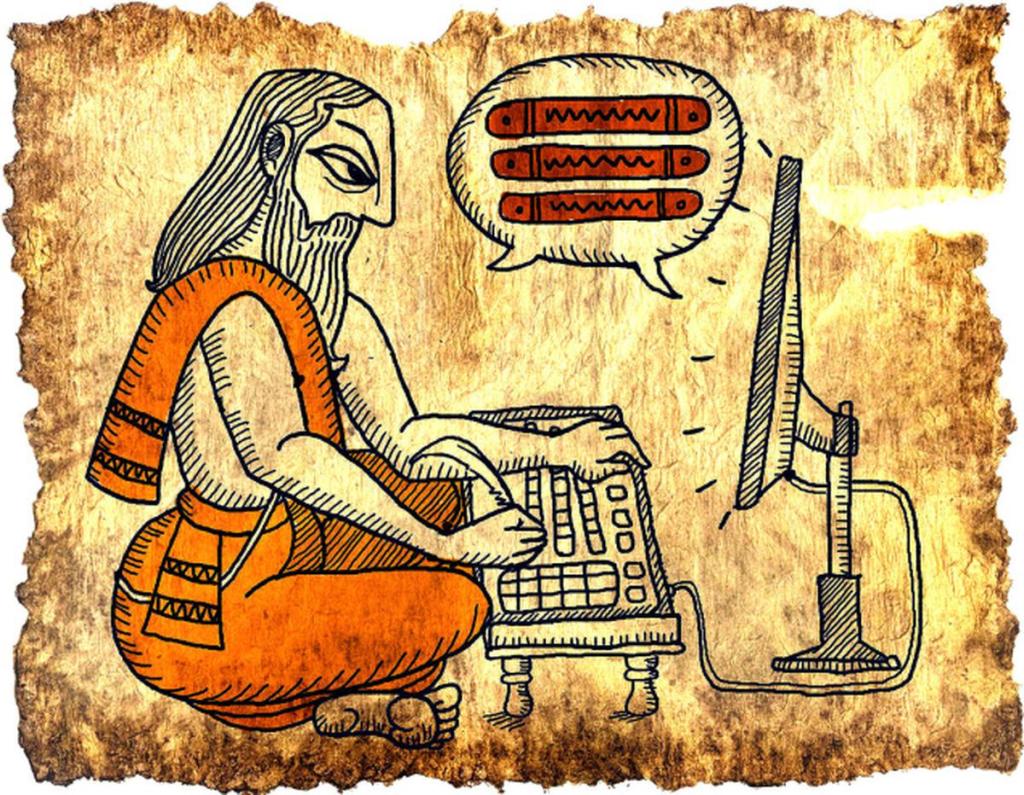
For example, the great linguist Panini gave the concept for meta-language-and constructed one-thousands of years before computer scientists began exploring the same idea. No one has been able to match him to this day.
The Sanskrit language is of wonderful structure, more perfect than the Greek, more copious than the Latin and more exquisitely refined than either. An example of the resemblance: the word for ten is dasha in Sanskrit, deka in Greek, and decem in Latin. Thousands of Sanskrit words such as pitah, brahta, raja have cognates in nearly all European languages. Based on the undeniable resemblance of these languages, philologists termed them Indo-European language.
“The grammar of Panini is one of the most remarkable literary works that the world has ever seen, and no other country can produce any grammatical system at all comparable to it, either for originality of plan or analytical subtlety.”
His Sastras are a perfect miracle of condensation.”
 Indian Ancient Scientists by Shreya Singh
One response to “INDIAN GRAMMARIAN:PANINI”
Well done ..👍
It was amazing and quite knowledgeable , Enjoyed reading your piece !
..✨💫
LikeLike